- 815-601-3868
-
Fully insured Shipping
-
Pick Up in Store

Assaying services
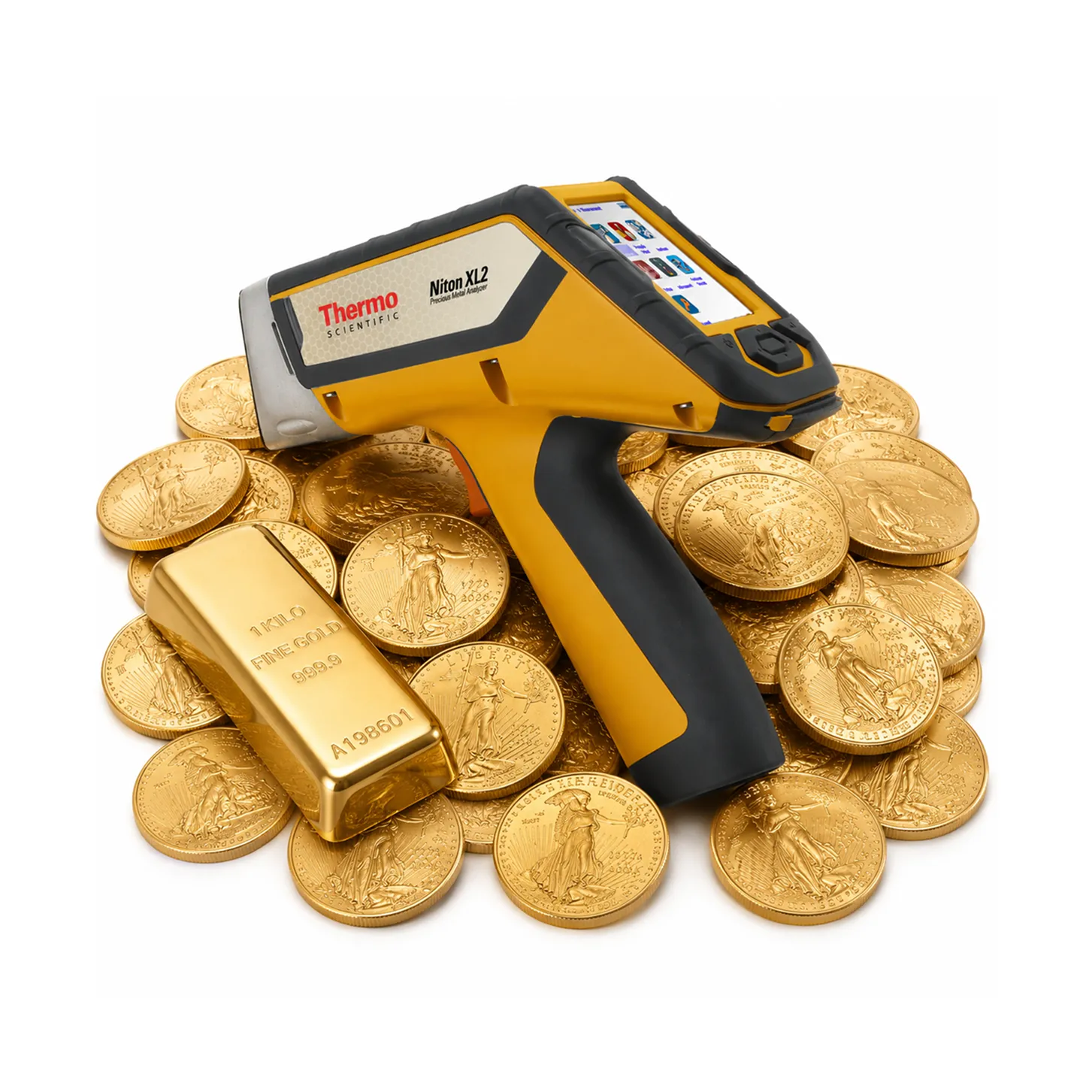
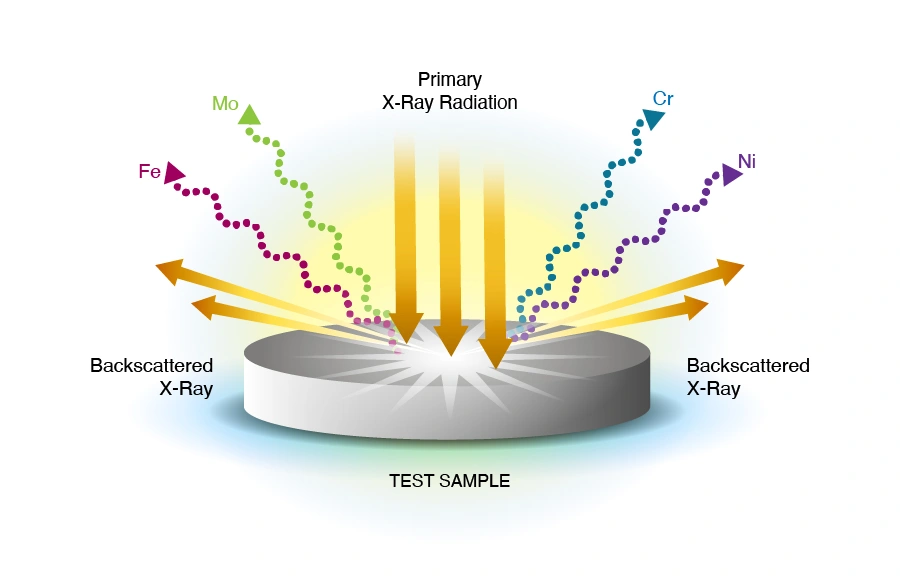
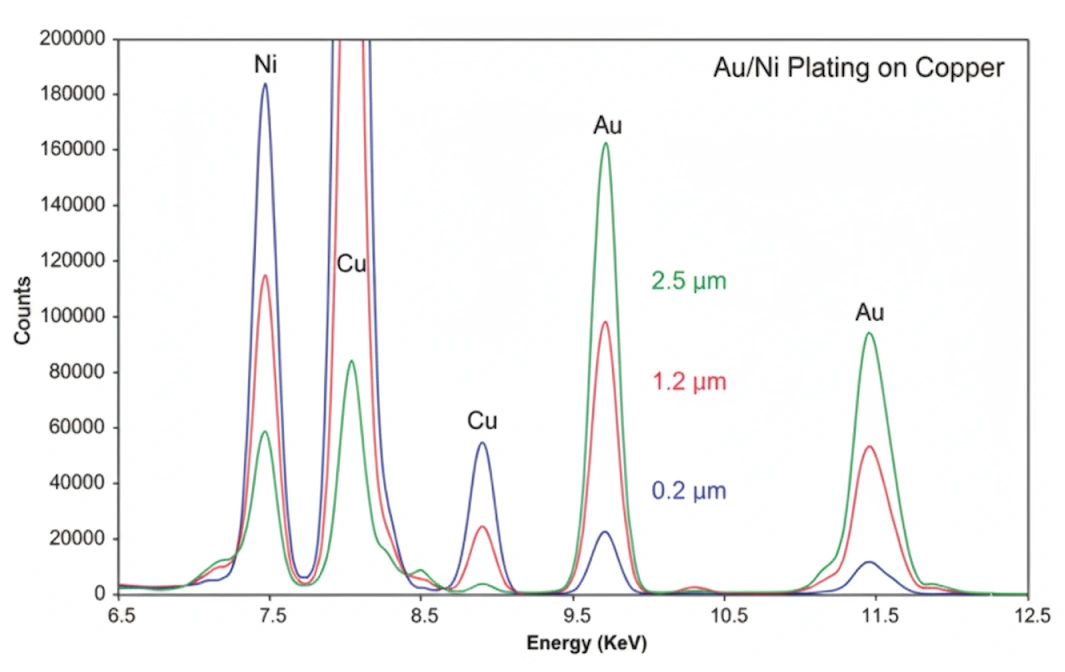
Chewie's Coins and Collectibles offers expert assaying services to customers who want to determine the types and quantities of different metals in an item. We use state-of-the-art x-ray fluorescence analysis to determine the metal type (i.e. assaying) and percent of total.
Whether you are a silver or gold buyer or seller, want to understand the value of some gold jewelry, or are trying to identify or validate the content of items you have found or had manufactured, Chewie's Coins and Collectibles can provide an accurate assessment of the metal content.
26 Metals Identified
Our analysis identifies elements of 26 different metals, including:
The science
What we can't test
We cannot assay rocks that you may believe contain precious metals, unless there are visible and larger sections containing metal.
Lead & cadmium testing
Our x-ray fluorescence testing uses the same method and technology many state agencies use to test toys and other items for lead or cadmium. However, we are not a licensed cadmium or lead tester and cannot provide official certification.
Secondary testing
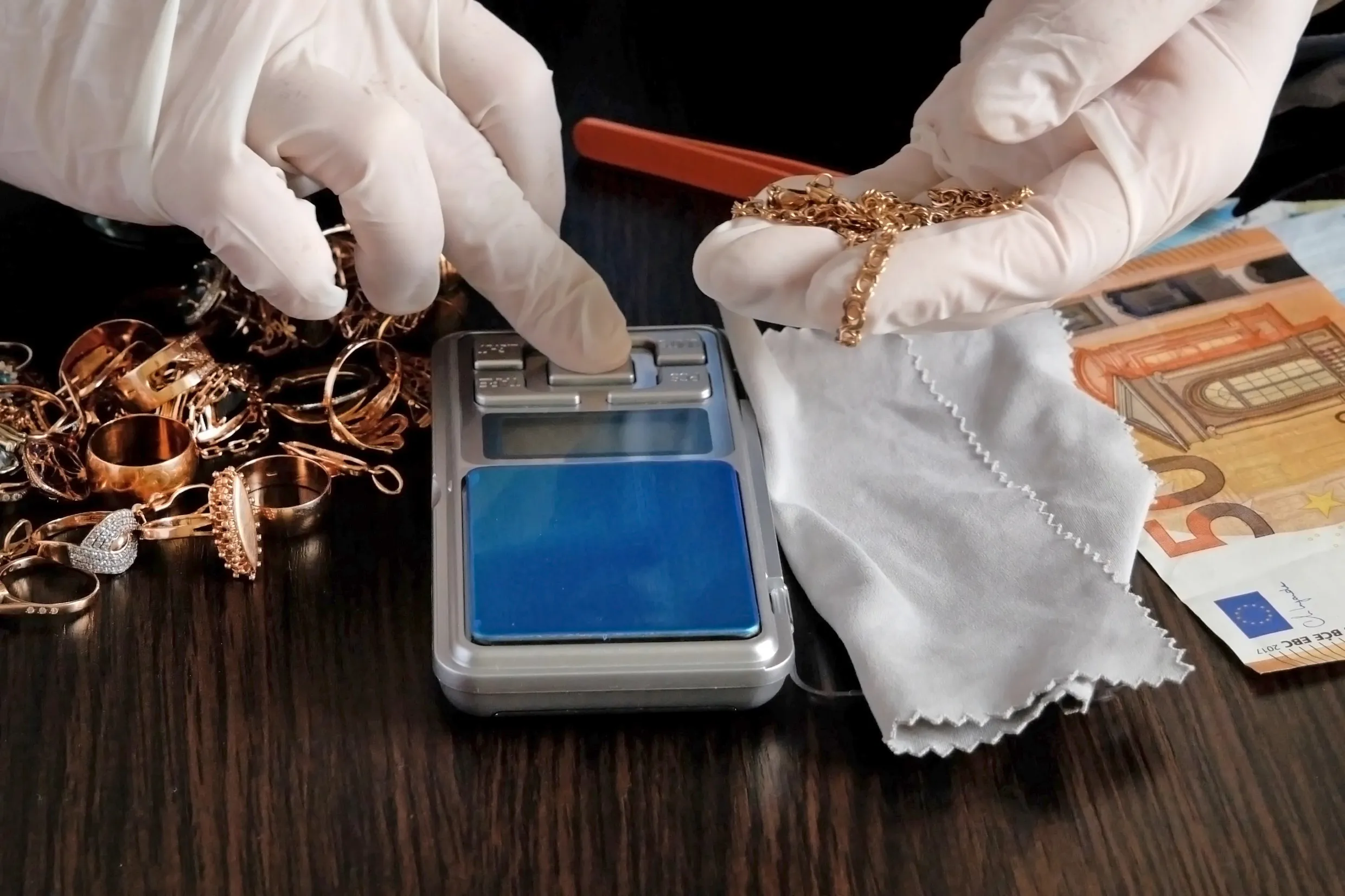
Specific gravity (density) can be a good secondary way of supporting the output of the x-ray fluorescence analysis. We can provide specific gravity testing on any metal object, and the output will be the average density of the metals used to make the object.
Hollow objects are a limitation of the test. This test can indicate what an item is not — with a reasonable degree of certainty — but not the contrary. Applicable once XRF testing has been completed.
Reference
Base Metals
In mining and economics, base metals refers to industrial non-ferrous metals excluding precious metals. These include copper, lead, nickel and zinc. The U.S. Customs and Border Protection is more inclusive in its definition. It includes, in addition to the four above, iron and steel, aluminum, tin, tungsten, molybdenum, tantalum, cobalt, bismuth, cadmium, titanium, zirconium, antimony, manganese, beryllium, chromium, germanium, vanadium, gallium, hafnium, indium, niobium, rhenium and thallium.
Precious Metals
A precious metal is a rare, naturally occurring metallic chemical element of high economic value. Chemically, the precious metals are less reactive than most elements. They are usually ductile and have a high luster. Historically, precious metals were important as currency but now are regarded mainly as investment and industrial commodities. The best-known precious metals are the coinage metals, gold and silver. While both have industrial uses, they are better known for their uses in art, jewelry, and coinage. Other precious metals include the platinum group metals: ruthenium, rhodium, palladium, osmium, iridium, and platinum, of which platinum is the most widely traded.
Get your item tested
No appointment needed — walk in and we'll test your item while you wait. Call us for details on sending in a sample and having it returned when you are not present for the test.
Questions about our policies?
Chewie's Coins and Collectibles
Cherrywood Centre, 6001 Egan Dr #191, Savage, MN 55378
815-601-3868
chewiescoins@gmail.com
Our Collections